Our Team
Who We Are
The Centre for Transitional Peace is an independent initiative based in the United Kingdom, established to support Afghanistan’s path toward justice, reconciliation, and sustainable peace. We bring together Afghan civic leaders, political figures, academics, and reform-minded thinkers to shape inclusive responses to the country’s long-running crisis.
At a time when public voice has been silenced and national institutions have collapsed, the Centre provides a platform for open, structured dialogue — rooted in shared responsibility, historical awareness, and a commitment to peaceful transition.
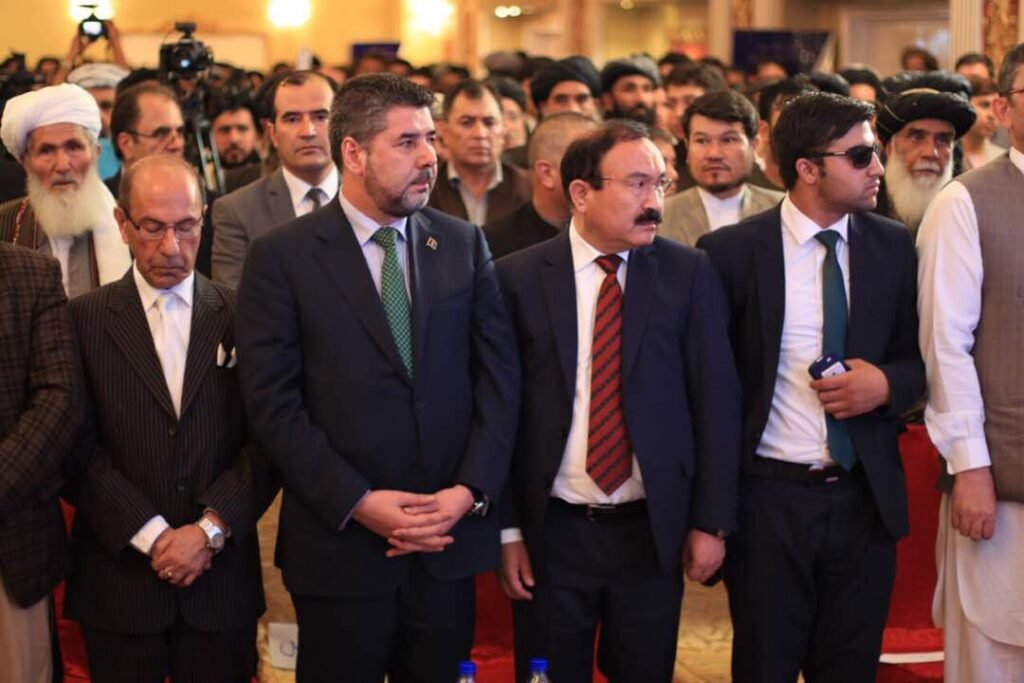
What We Do
The Centre leads a national process of dialogue, reflection, and collective problem-solving. Through structured consultation and inclusive engagement, we create space for Afghans to address the root causes of conflict, build common ground, and shape a realistic path toward a just and democratic future.
We begin by confronting the historical, political, social, and regional roots of Afghanistan’s crisis. This involves honest assessment of past injustices, systemic failures, and the impact of decades of war — laying the groundwork for meaningful dialogue.
The process identifies shared values and threats across different communities and political perspectives. Through dialogue, we work to overcome divisions and build a minimum national consensus that can support stability and cooperation.
The Centre facilitates the co-creation of a bold, inclusive framework for Afghanistan’s future — one based on justice, human rights, coexistence, and democratic participation. This draft contract reflects the voices and experiences of a diverse range of Afghans.
We support the development of a practical, step-by-step roadmap to move from the current crisis toward a citizen-led, modern political order. This includes clear mechanisms for accountability, participation, and future implementation.
Our Values
Our work is shaped by a clear set of values that guide every stage of the process — from initial dialogue to long-term vision. These principles reflect both the lessons of Afghanistan’s past and the hopes for its future.
Justice
We believe peace must begin with truth and accountability. Confronting past injustice — not denying or avoiding it — is essential for healing and for building a society where rights are respected and wrongs are not repeated.
Inclusivity
Afghanistan’s diversity is a source of strength. We ensure that women, youth, minority groups, and marginalised voices are not just present, but central to every discussion. No single faction or ideology dominates the process.
Pluralism
We are committed to fostering respectful coexistence across ethnic, religious, and ideological lines. Building a peaceful future requires recognising difference, listening deeply, and choosing coexistence over competition.
Collective Responsibility
Afghanistan’s transition cannot be outsourced. We promote a culture of shared responsibility where all participants — from local communities to political actors — have a stake in shaping, owning, and sustaining the future.